Ceramic logs over a gas burner and a sealed gas insert both put gas flames in a fireplace, and from across a Los Angeles living room they can look alike. They are different machines. One decorates an open fireplace; the other closes the opening and turns the fireplace into a heater. Choosing between them comes down to what you want the fireplace to do on a cold night.
What each one is
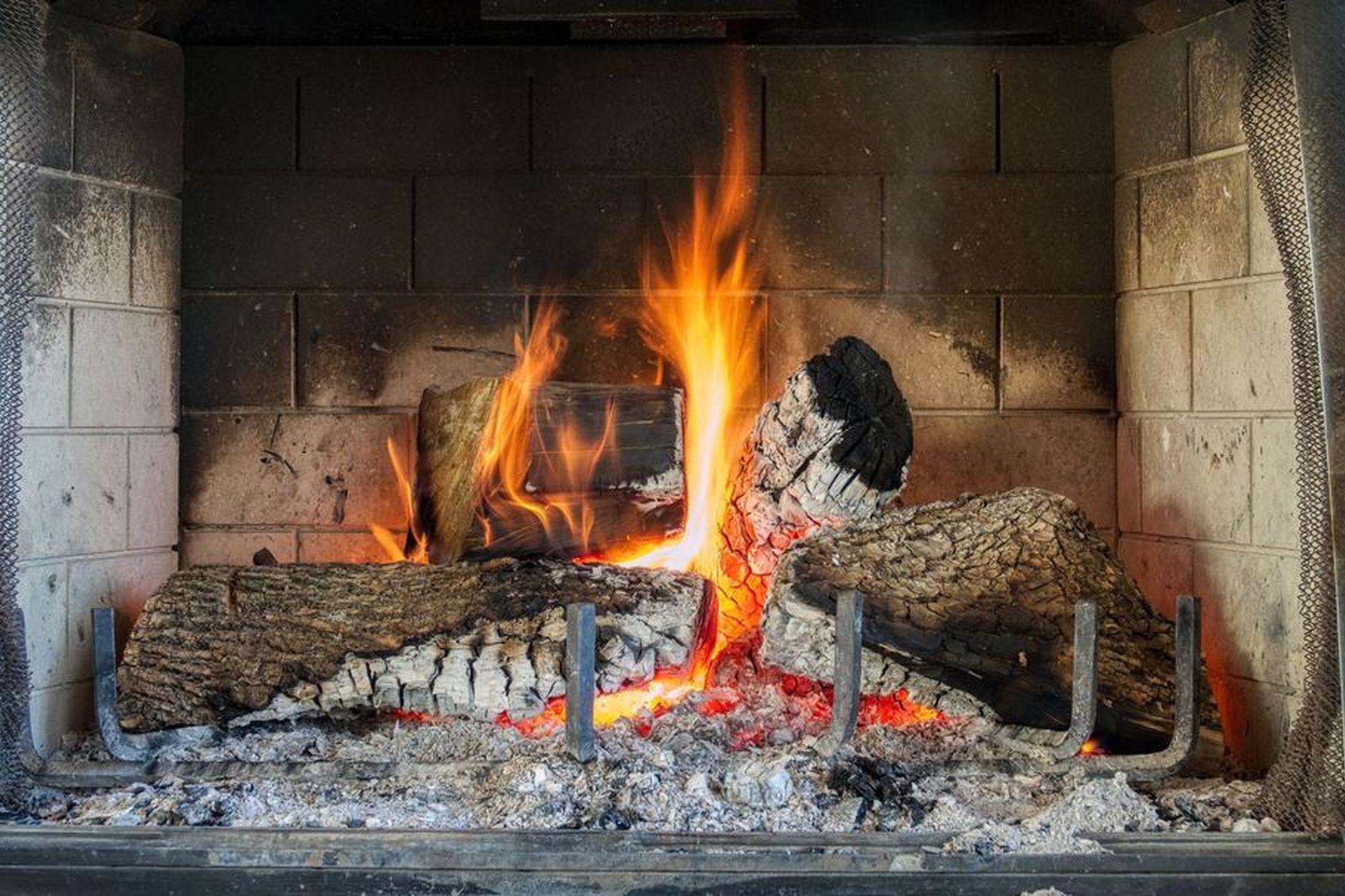
A vented log set is a burner pan with ceramic logs, sitting in the open firebox. The damper stays open while it runs, and its flames and exhaust rise up the chimney the way wood smoke would. You get a convincing fire with no wood to carry and no ash to clear. You get little warmth, because the fireplace is still open and most of the heat leaves with the exhaust.
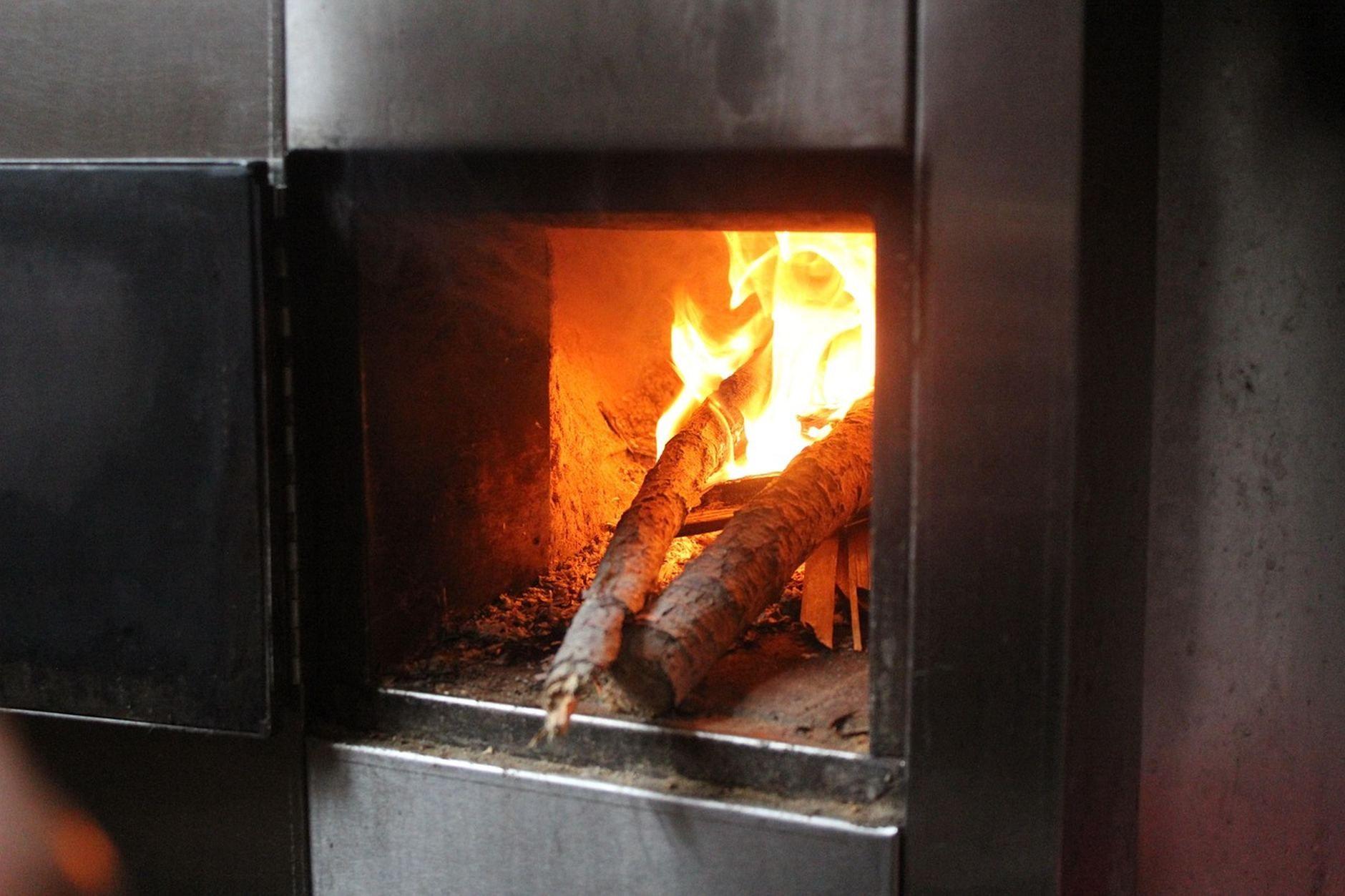
A gas insert is a sealed steel box with its own burner, a fixed glass front and its own vent pipes. It slides into the firebox, closes the opening and vents through pipes run to the top of the chimney. It is a heater first and a flame second, and a well sized one warms a living room by itself.
We fit vented log sets only.
Side by side
| Question | Vented log set | Sealed gas insert |
|---|---|---|
| Main job | A fire to look at | Heat for the room |
| Damper | Locked open while it burns | Old damper usually removed for the vent pipes |
| Room air | Carried up the chimney | Stays in the room |
| Front | Screen or doors, your choice | Fixed glass |
| Gas line | Needed at the hearth | Needed at the hearth |
| Our price | Written figure once we see the firebox | $2,950 to $5,900 installed |
When a log set is enough
A log set suits a fireplace used for mood: holidays, a dinner party, a cool evening in a house that already has central heat. It costs less than an insert, keeps the open look, and needs no liner. It wants a firebox in good shape and a chimney that draws well. Before fitting one we match the burner pan to the opening, confirm the chimney pulls, and lock the damper so it cannot shut while the gas is on. The gas logs service page covers what goes into a set.
When you need an insert
If the goal is warmth, a log set will disappoint. An open fireplace with a gas fire can even leave a room cooler on a cold night, because the chimney keeps drawing warm room air up and out. An insert stops that. Its sealed box burns outdoor air and returns heat through the glass and, on most units, a blower that pushes air across the hot body. For a family in Los Angeles that wants to heat the living room in the evening without running the furnace for the whole house, an insert is the better buy over a few winters, even though it costs more up front.
What decides the price
For a log set, the figure follows the size of the burner and logs, the control you want (a match light valve, or a pilot with a remote) and whether a gas line must be run. For an insert, it follows the unit's size and features, the length of vent pipe, the gas work and the face around the box. Our published insert range covers the unit, the fit and the vent; any chimney repair needed before the pipes go in shows as a separate line.
Ask for a gas fireplace quote and tell us whether you want heat or flame, and whether a gas key sits beside the hearth now. If you are torn, we price both options on the same visit.
Running and care
Both burn utility gas and both want a yearly service: pilot, valve, burner ports and venting. A log set also wants the chimney looked at each year, since its exhaust still travels the old flue. An insert wants its glass seal and vent pipe joints checked. When either one refuses to light, gas fireplace repair covers the pilot, the valve and the ignition, and gas fireplace cleaning handles the yearly service.
A third route
Where there is no fireplace at all, or the old one is beyond saving, a gas fireplace can be framed into a wall and vented straight outdoors; on our price list that work runs $4,750 to $9,500. It is a larger job, usually chosen during a remodel, and the fireplace remodel page covers the finish work around it. Our wood, gas and pellet comparison and our insert cost guide go further on the numbers.
Questions we hear about this choice
Can a log set be swapped for an insert later? Yes. The gas line already at the hearth is reused, which trims the insert job.
Do log sets heat at all? A little, close to the opening. They are chosen for the flame.
Will an insert fit a small firebox? Many do. Compact units exist for shallow openings, and the measurements decide which.
Does either one change the look of the brick? A log set leaves the face untouched. An insert adds a metal surround around the glass, sized to cover the gap between the box and the old opening, and many owners pick a finish that suits the room.
Which one adds more to a sale? Buyers notice a fireplace that heats. A sealed insert with its paperwork reads as an upgrade on a listing; a log set reads as a nice touch.
If you are standing in front of the fireplace trying to choose, tell us about it on the contact page and we will come out and price both.
Weighing the Same Choice at Home?
Farrell Chimney Pros fits wood, gas and pellet inserts, gas log sets and liners, and handles the chimney work that has to come first. We visit homes in Los Angeles, Rosemead, South Pasadena, Downey and the cities around them.