Three neighbours on one Los Angeles street can own the same 1940s brick fireplace and need three different inserts. One wants the crackle of a real fire on the handful of cold weekends each year. One wants heat at the touch of a remote on a weeknight. One wants a low, steady warmth for hours with nobody tending it. The firebox is identical in all three houses; how each family lives decides the fuel.
The three side by side
| Point | Wood insert | Gas insert | Pellet insert |
|---|---|---|---|
| Heat feel | Strong radiant heat that rises and falls with the fire | Even heat set by a dial or remote | Steady heat held by a thermostat |
| Fuel | Split, dry hardwood | Utility gas | Bagged wood pellets |
| Power | None needed | Only for a fan or electronic ignition | Needed for feed and fans |
| Venting | Stainless liner, full height | Two slim aluminium pipes up the flue | Narrow pellet vent, often run up the old flue |
| Winter no-burn days | Apply | Do not apply | Check the current rule before buying |
| Care | Sweep every season | Yearly service | Ash cleared often, yearly service |
| Our price | Written figure once measured | $2,950 to $5,900 installed | Written figure once measured |
Wood: the fire you already know
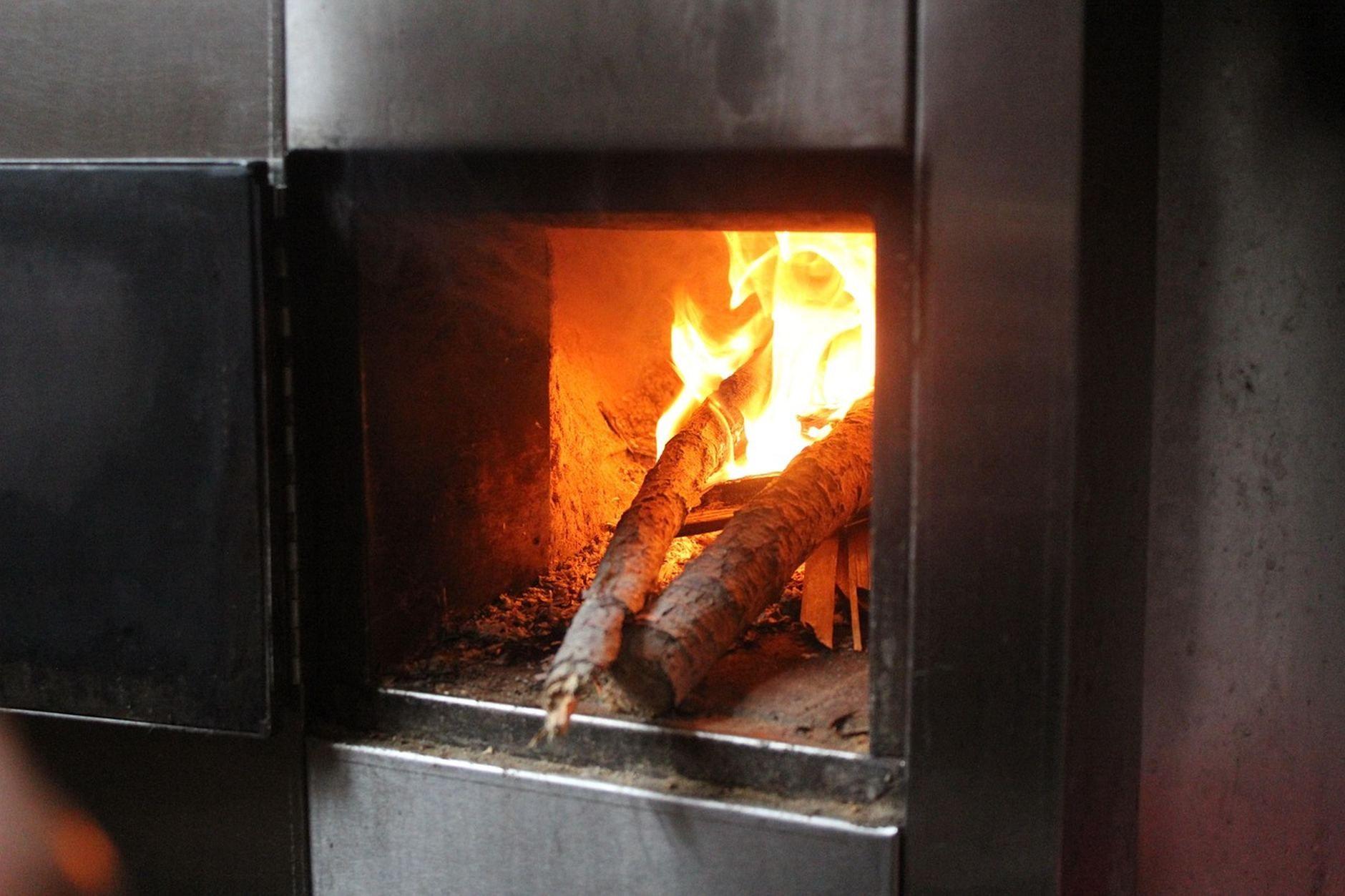
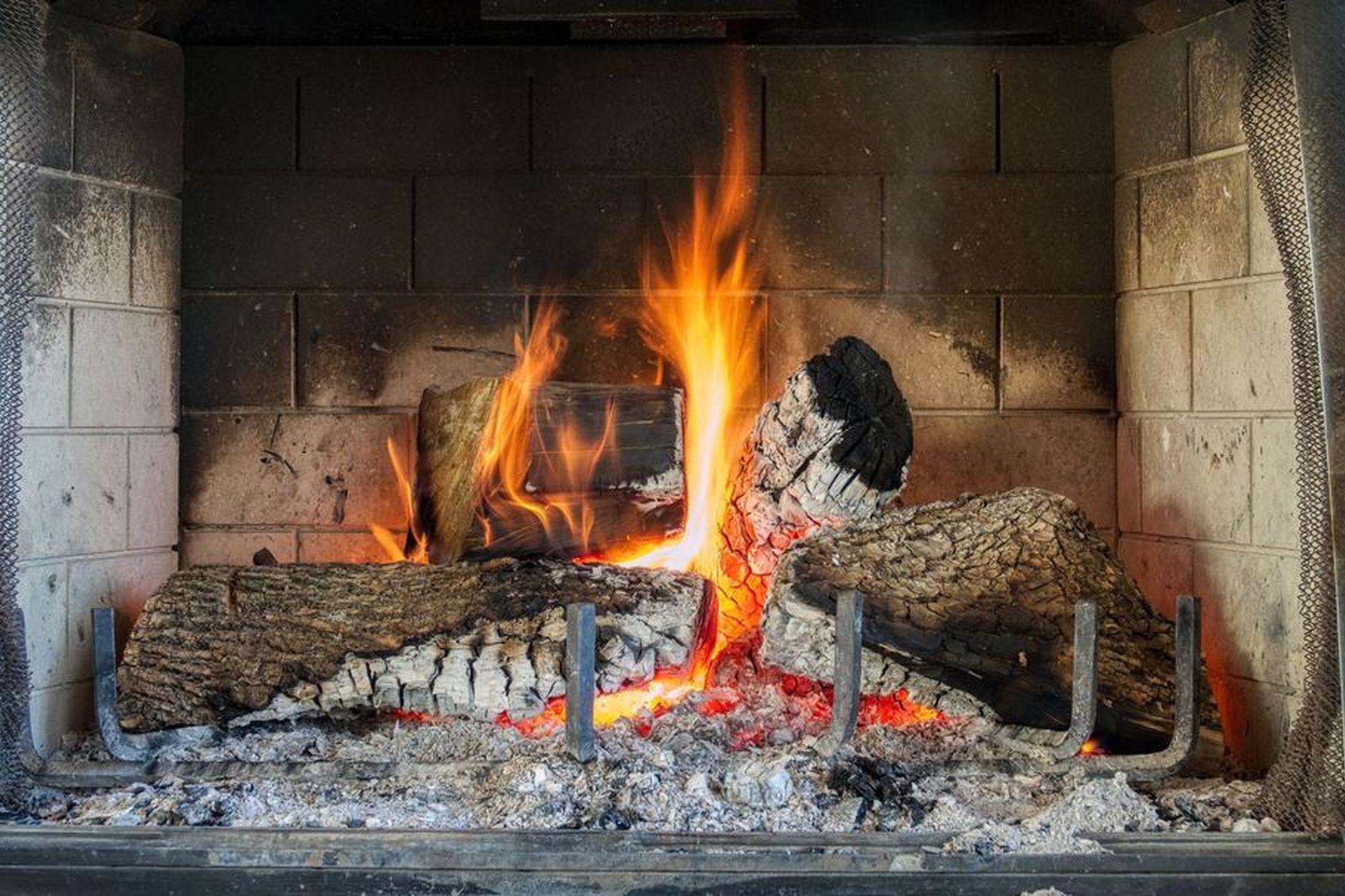
A wood insert keeps what many people bought the house for: a real fire, now behind glass. It also heats far better than the open fireplace it replaces, because the closed box burns slowly on controlled air and its steel body throws warmth into the room instead of up the stack. The trade off is labour. Wood has to be dry, stacked and carried in, ash has to come out, and the liner needs sweeping each season because a slow burn leaves deposits. Los Angeles adds one more trade off: under Rule 445 the South Coast air district can call winter days when wood fires are not allowed, and on those days a wood insert sits cold. For a household that lights a fire mostly on weekends, that may not matter. For one counting on the insert as its main heat in January, it does.
Gas: heat when you ask for it
A gas insert gives a flame picture with none of the wood handling. Switch it on, the room warms, switch it off. The burner sits in a sealed box that draws outdoor air down one pipe and sends exhaust up another, so it leaves warm room air alone. The wood burning rules do not reach it. Its trade offs are the flame, which is pleasant but not a log fire, the need for gas at the hearth, and a yearly service of pilot, valve and burner. For most households in the city that care more about warmth than ambience, gas is where we start the conversation, and it is the one insert we print a price for: $2,950 to $5,900 installed.
Pellet: steady and frugal
A pellet insert burns small compressed wood pellets, dropped a few at a time from a hopper into a burn pot, with one fan blowing heat into the room and another pushing exhaust out a narrow vent. It holds a set temperature for hours on a single hopper load, and the fuel burns very cleanly. It needs an outlet, so it stops in a power cut unless a backup is added. It has moving parts, so there is more to service, and a pellet unit left with damp fuel or a full ash pan soon complains. Pellet suits people who want long, even heat and do not mind looking after a machine. When one misbehaves, our pellet stove repair work covers the feed, the igniter and the fans.
How the chimney narrows the choice
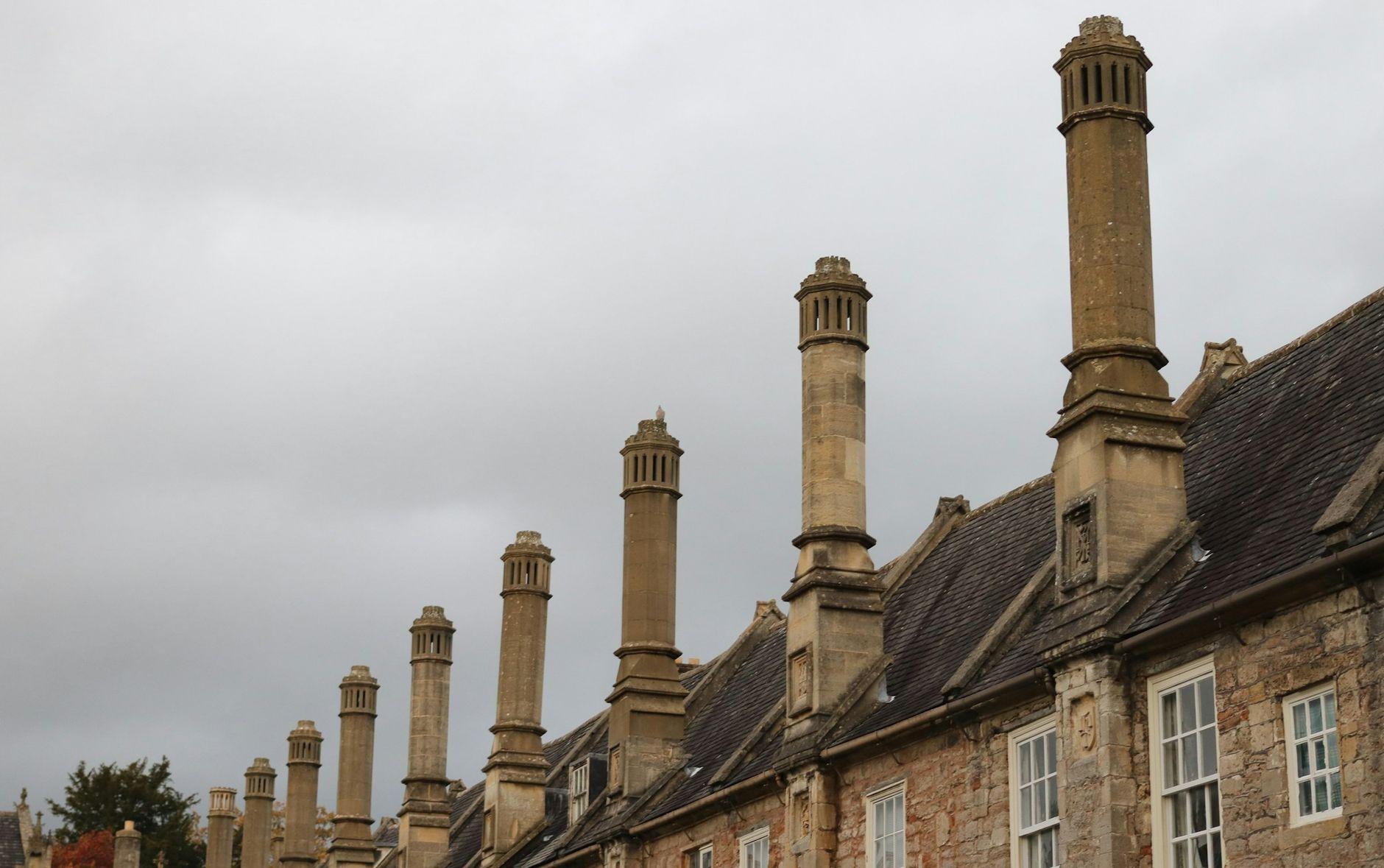
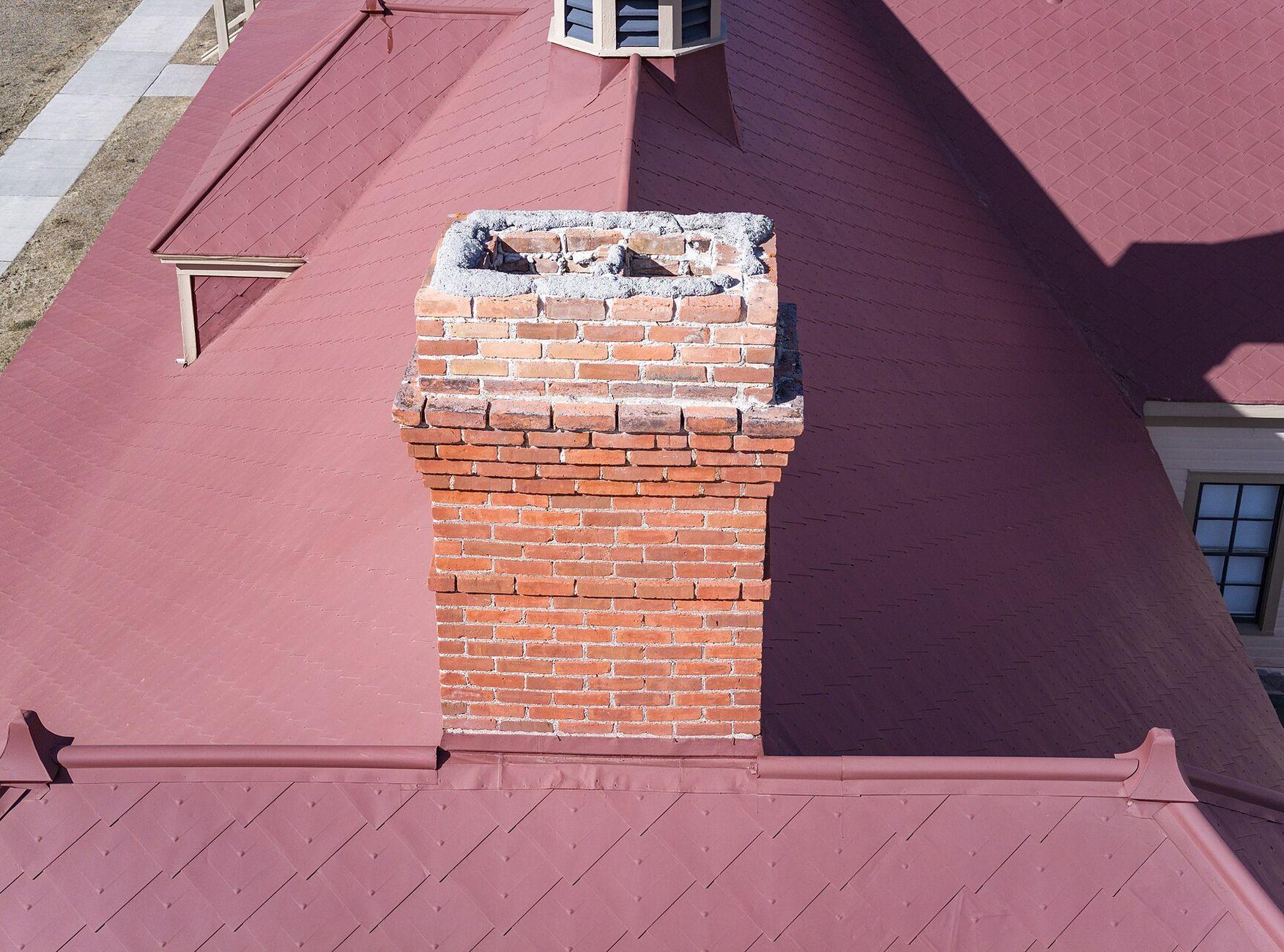
Whatever fuel you want has to suit the chimney you have. Wood asks the most of it: a stainless liner the whole height, a sound crown and a cap at the top, and enough room to wood framing along the way. Gas asks less, though its pipes still run to the top. A pellet vent can be shorter, but the masonry still has to be sound. A camera inspection settles what the chimney can take before anyone orders a unit. The Level 2 inspection costs $415, and you receive the written findings and stills.
What settles it for most households
In practice three questions decide the fuel:
- How often will you use it? A few weekends a year leans toward wood or a gas log set. Most evenings through winter leans toward gas or pellet.
- Do you want to tend a fire? If not, wood drops out.
- Does gas already reach the fireplace? If so, a gas insert is often the simplest fit. If not, the cost of a new line goes on the scale.
Ask for an insert quote and tell us which fuel you lean toward and how often you expect to light it. We plan the measuring visit around those answers.
When none of the three fits
Some fireplaces are better served another way. If you want a nicer flame now and then and do not need heat, a vented gas log set may do; we weigh that choice in gas logs or a sealed gas insert. If the fireplace is a factory built metal unit, the choice narrows to inserts listed for that box. And if the chimney carries quake damage near the top, that repair comes before any upgrade.
For the figures behind each fuel, read insert costs for Los Angeles homes, and for picking a crew, hiring someone to fit an insert.
Once you know which way you lean, reach us through the contact page and we will measure the opening and price the fit.
Weighing the Same Choice at Home?
Farrell Chimney Pros fits wood, gas and pellet inserts, gas log sets and liners, and handles the chimney work that has to come first. We visit homes in Los Angeles, Rosemead, South Pasadena, Downey and the cities around them.