Most calls we take about inserts begin with the same complaint: the fireplace is handsome, it burns through firewood, and the room stays cold. An open masonry firebox in Los Angeles sends the larger share of its heat straight up the chimney, and it pulls warm room air out with it. An insert is a closed steel or cast iron firebox that slides into the old opening and vents through its own pipe to the top. The first thing nearly every household wants to know is what the change will cost, and the answer turns on the fuel, the chimney and the room.
The figures we publish
We print installed prices for gas, and we leave wood and pellet off the list for a reason explained further down.
| Job | Our figure |
|---|---|
| Gas insert fitted to your present firebox, vent included | $2,950 to $5,900 |
| Gas fireplace framed into a wall that never had one, vented outdoors | $4,750 to $9,500 |
| Camera inspection (Level 2) ahead of the fit | $415 |
| Sweep before we measure | from $445 |
| Cap over the new vent | quoted after we measure |
The spread on the first line is real. Down simplest sits a compact unit with a standing pilot, a firebox that already has a gas key beside it, and a chimney that needs nothing. Up biggest sits a larger unit with a blower, a thermostat remote and a decorative front, going into a chimney whose top has to be rebuilt before anything can be sealed to it. Most houses land in the middle.
Why wood and pellet carry no printed number
Wood inserts and pellet inserts can each be the right pick, but their totals swing further than gas. A wood unit needs a stainless liner the full height of the chimney, often wrapped in insulation, and that liner's cost follows the height of the stack and the shape of the old clay flue. A two storey house up in the hills and a one storey bungalow down in the flats can differ by a second length of liner and an extra day on the roof. Pellet units add an electrical outlet near the hearth and a narrower vent, and the units themselves vary widely by hopper size and controls. Printing a range wide enough to cover all that would tell you nothing, so we measure first and then send a written figure covering the unit, the liner, the front and any chimney work.
What moves your total
Five things set the final number on almost every insert we price in Los Angeles:
- Fuel. Gas needs a supply line ending at a key near the hearth. Wood needs the heaviest liner. Pellet needs power.
- Opening. We record its width, height and depth, and how sharply the side walls taper toward the back. A shallow postwar firebox limits which units fit, and a bigger unit can mean trimming brick or choosing a different front.
- Height. Every extra foot of liner costs money, and tall stacks mean more roof time.
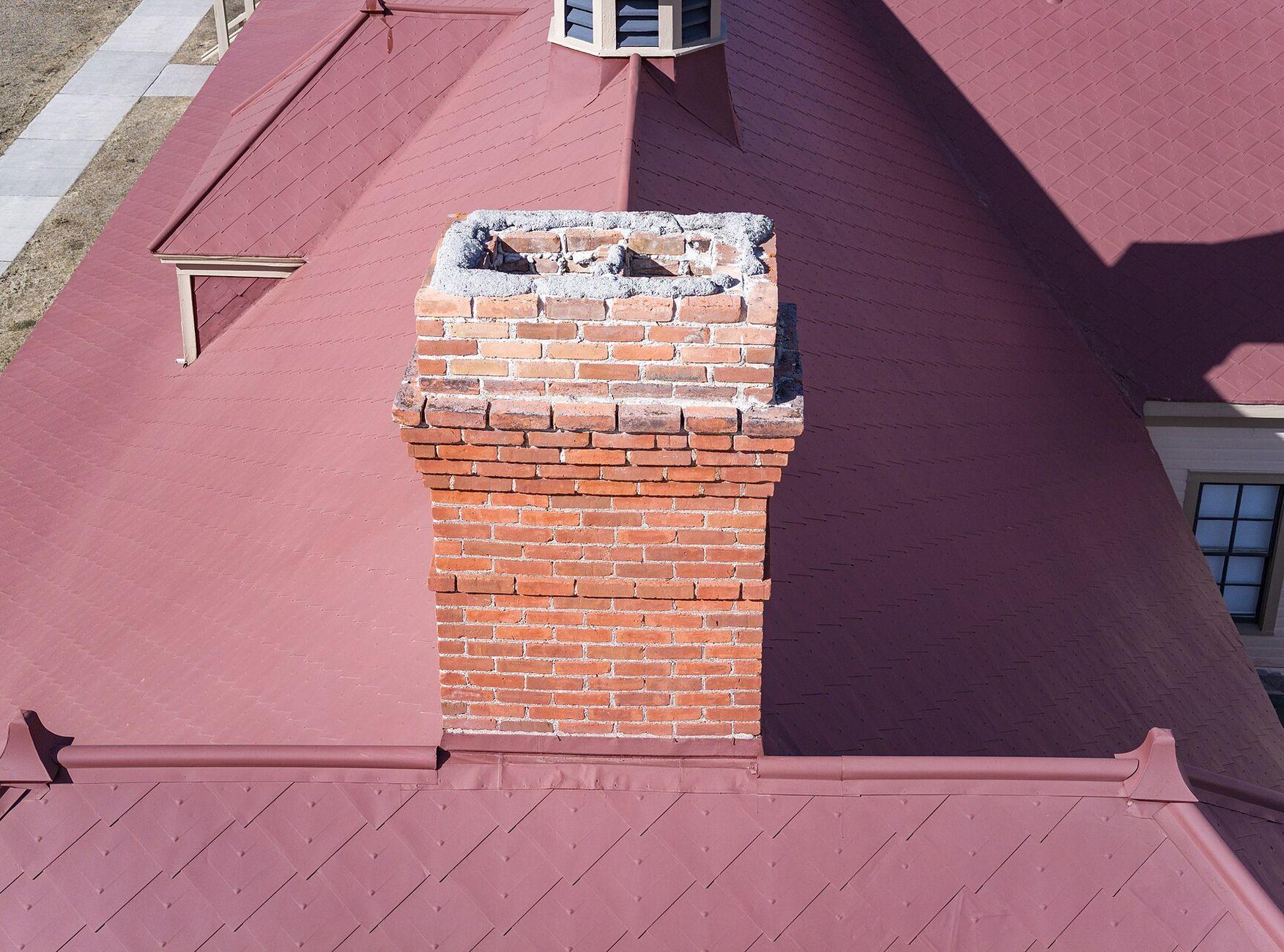
- Chimney condition. A cracked crown, a missing cap or loose brick near the top gets fixed before a liner is sealed in. That work shows as its own line on the quote.
- Finish. Some owners keep the old brick face. Others want a new surround panel, a fresh hearth or a mantel moved. The face is where taste moves the price most.
Ask for an insert quote and tell us which fuel you lean toward, how many storeys the house has and whether a gas line already reaches the fireplace. With those three answers we can plan the measuring visit.
Where the money goes on a gas job
On a typical gas insert the money splits four ways. The unit itself is the biggest part, and its price climbs with heat output, a circulating fan, a thermostat remote and the styling of the front. Venting comes next: gas inserts use two flexible aluminium pipes inside the old flue, one carrying exhaust up and one bringing outdoor air down to the burner, both sealed at the top under a cap. Then the gas work. If a key already sits in the floor beside the hearth, the connection is short; if not, a line is run from the meter or a nearby branch. Last comes the face, from a plain trim kit up to a full panel that covers the old brick.
What it costs to run
Running cost is where the fuels part ways. A gas insert burns from the utility meter, so its cost follows your gas bill and how many hours you run it. Wood costs whatever your firewood costs, which can be nothing if you have a supply, though hauling, stacking and clearing ash is part of the price. Pellets are bought by the bag or the pallet, and the stove draws a little power for its fans and feed. Over a mild Los Angeles winter of evening fires, none of the three makes a large bill. The bigger split is care: gas wants a yearly service, wood wants a sweep each season, and pellet wants frequent ash clearing plus a yearly look at its moving parts.
Findings that change the plan, not just the price
A few things we find on the measuring visit change what we recommend:
- A chimney that also carries a furnace or water heater flue can limit what goes up the fireplace side.
- A factory built metal fireplace, common in houses built from the 1970s onward, takes only units listed for that box, and some take none.
- A chimney cracked in a past quake may need work at the top before any liner goes in.
- A room open to the stairs or to an upper floor needs a larger unit to feel warm.
Comparing before you choose
If you are weighing fuels against each other rather than just price, our wood, gas and pellet comparison sets them side by side, and the fireplace inserts page lists what a fit includes. For gas, read gas logs against a sealed insert before deciding, and the inspection before an insert explains what the camera visit settles.
Once you are ready to turn the fireplace into something that warms the room, the contact page is where the measuring visit gets booked.
Weighing the Same Choice at Home?
Farrell Chimney Pros fits wood, gas and pellet inserts, gas log sets and liners, and handles the chimney work that has to come first. We visit homes in Los Angeles, Rosemead, South Pasadena, Downey and the cities around them.